
Your location:
HOME NewsIndustry Trends
From a major chemical industry player to a powerful one, domestic chemical industry has six major breakthrough directions in its "long-term race" against global giants through the cycle.
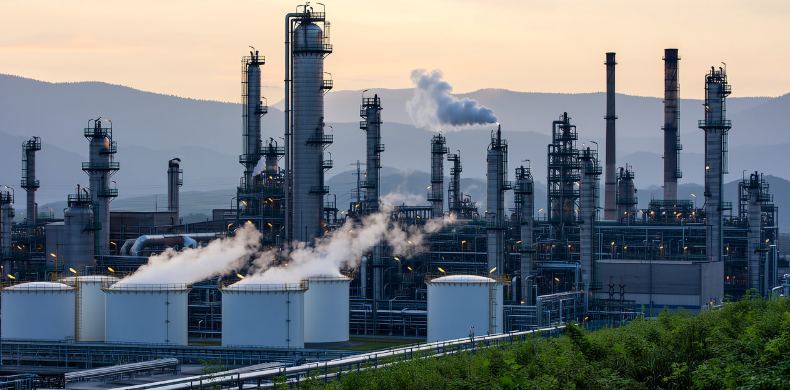
Behind BASF's "eastward relocation", the Chinese market will contribute 70% of the global chemical industry's growth
BASF has systematically evolved its layout in China, with its "eastward relocation" fully implemented.
On November 3, BASF announced that it would integrate its Asian polytetramethylene ether glycol (PTMEG) business into its Caojing site in Shanghai, China, and simultaneously shut down the production line at its Ulsan plant in South Korea by 2026. In the future, PTMEG will be produced at BASF's Caojing site in Shanghai, Ludwigshafen site in Germany, and Geismar site in the United States, with a total production capacity of 250,000 tons per year.
On November 5th, the first batch of products from the core unit of BASF's Zhanjiang Integrated Site in South China successfully commenced production, marking another significant milestone in the company's single investment project to date. Most of the factories are expected to start production by the end of 2025. In the medium to long term, this site will play a pivotal role in strengthening BASF's core business. On October 2nd, Markus Kamieth, Chairman of the Executive Board of BASF Group, stated that the adjusted EBITDA (Earnings Before Interest, Taxes, Depreciation, and Amortization) of the Zhanjiang Integrated Site is expected to reach EUR 1 billion to EUR 1.2 billion by 2030.
BASF's emphasis on the Chinese market is self-evident. By the end of 2024, BASF and its partners had invested a total of approximately 17 billion euros in Greater China. Lou Jianfeng, Chairman and President of BASF Greater China, stated, "China is the global chemical market. According to forecasts, 70% of the global chemical industry's growth in the next 10 years will come from China. In Q3 2025, BASF's sales amounted to 15.23 billion euros (approximately 125.8 billion yuan), a decrease of 3.2% year-on-year. Among this, sales in China reached 2.068 billion euros, an increase of 5.1% year-on-year, while sales in other regions only saw slight growth or remained flat or even experienced negative growth.".
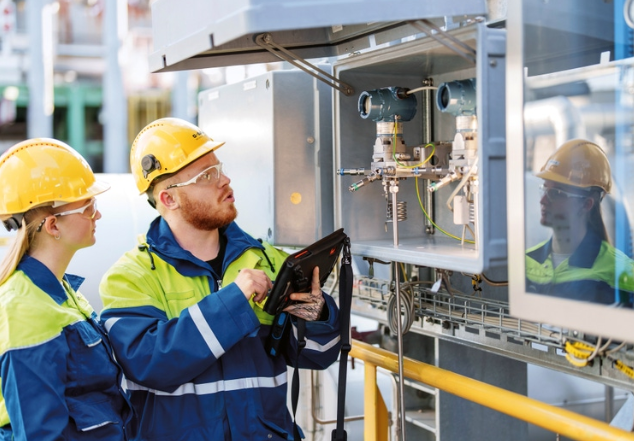
As of October 2025, BASF has established six major bases in China. This layout model, featuring multi-base collaboration and full industry chain coverage, enables BASF to fully leverage its scale effect and synergistic advantages, enhancing its overall competitiveness in the Asia-Pacific market. China has become the central brain of BASF's global chemical supply chain.
Shanghai Caojing Base: It undertakes the production of polymers and specialty chemicals. Recently, not only has it integrated the PolyTHF® business, but it also expanded its automotive resin production line in 2025.
Guangdong Zhanjiang Base: BASF's largest single investment in China to date, with the investment amount adjusted to over 8 billion euros, will become the third largest integrated base globally in the future.
Shanghai Pudong Innovation Park: The company's R&D center in Asia, responsible for the research and development of new materials, coatings, and catalyst technologies.
Nanjing Base: Jointly invested with Sinopec, covering ethylene, phenol, and downstream plastic chains, it is BASF's "veteran core" in China.
Nanjing Specialty Chemicals Base: Operated as a sole proprietorship, it produces water treatment monomers, amines, and coating additives. In 2024, it will expand its advanced additives facility to meet the needs of the Asian market.
Chongqing Base: Primarily produces polyurethane raw materials such as MDI (isocyanate), which are used in the home appliance, automotive, and construction industries.
In addition to BASF, on October 30th, the Huajin Aramco Fine Chemicals and Feedstock Project achieved mechanical completion of its 5 million tons/year residue hydrogenation unit and 200,000 tons/year butadiene extraction unit on the same day. This project is a foreign-funded initiative in Liaoning Province and also represents Saudi Arabia's investment in China. With a total planned investment of 83.7 billion yuan, the construction includes 32 process units for 15 million tons/year oil refining, ethylene, PX, as well as supporting utilities and auxiliary facilities. Currently, 23 out of the 32 production units have achieved mechanical completion, marking a total construction progress of over 88%.
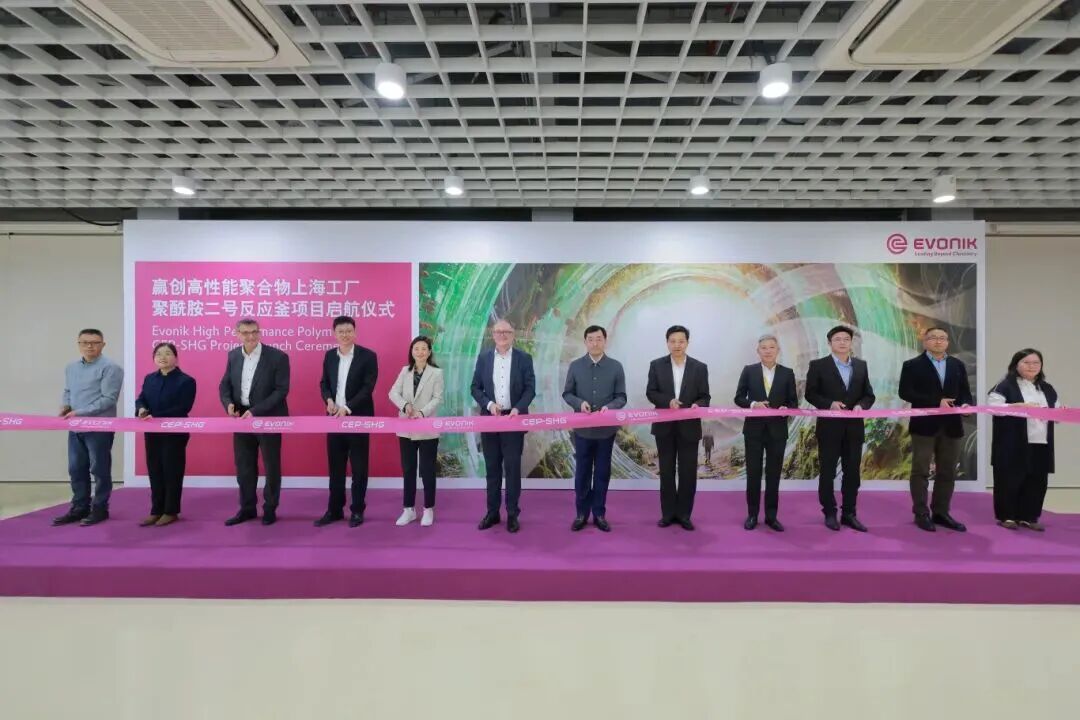
On November 3rd, Evonik announced the successful trial production of its high-performance polymer business line's polyamide reactor No.2 project in Shanghai. This project will double Evonik's long carbon chain polyamide production capacity in Asia, further consolidating its market leadership position in the field of high-performance polyamide.
On November 5th, the Clariant high-performance surfactant and high-performance halogen-free flame retardant expansion project located in the Daya Bay Petrochemical Zone of Huizhou City was completed and put into operation. These two projects have a total investment of 180 million Swiss francs, with the expansion project alone accounting for 120 million Swiss francs. The commissioning of these two projects will provide green solutions for customers in the pharmaceutical, personal and household care, industrial applications, agrochemical, new energy vehicles, and electrical and electronics industries.
Clariant's Global Executive Officer, Conrad, stated that continuous investment in China is Clariant's core strategy. Clariant has nine factories in China, and the Daya Bay production base is one of the key factories for its growth in the Chinese market. Over the past 16 years of deepening its presence in Daya Bay, Clariant has invested a cumulative total of approximately 2 billion yuan in its Daya Bay production base.
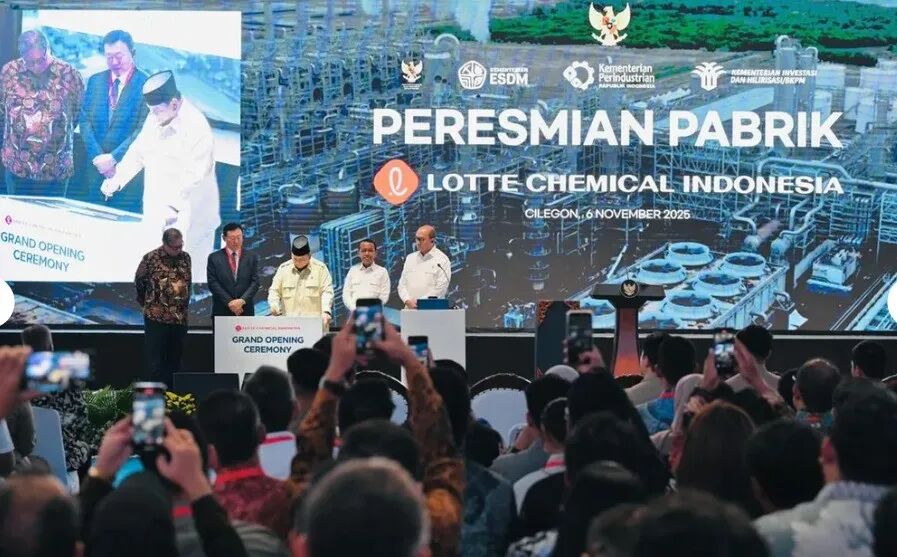
It is noteworthy that not only have European and American chemical companies continued to heavily invest in the Asia-Pacific market, but Japan and South Korea are also undergoing consolidation and restructuring, while simultaneously laying out plans to enter the Southeast Asian market. For instance, on November 6th, Lotte Chemical's Cilegon Petrochemical Plant in Indonesia was completed and put into operation. The project has a designed capacity of 1 million tons/year of ethylene, 520,000 tons/year of propylene, 140,000 tons/year of butadiene, 350,000 tons/year of polypropylene, and 400,000 tons/year of BTX (benzene/toluene/xylene).
China is marching towards becoming a powerful chemical industry nation from a major one, with six breakthrough directions for domestic products
According to reports, China surpassed the United States to become the world's largest producer of chemical products since 2010. Currently, China produces 42% of the world's major chemical products, with a total output exceeding that of the United States, Japan, and Germany combined. During the "14th Five-Year Plan" period, China's refining and ethylene production capacity will surpass that of the United States, completing the ultimate surpassing in the last two fields of bulk chemicals. China has become a major chemical country with complete scale, industrial chain, abundant raw materials, and a large market. However, there is still room for improvement to become a world-leading chemical power, especially in terms of the low self-sufficiency rate of chemical materials.
In 2024, China's total chemical imports amounted to USD 230.2 billion (RMB 1.6 trillion), of which USD 56.57 billion were imports of three major synthetic materials. In terms of the average profit margin of the world's top 50 chemical enterprises, only 3.3% of China's selected enterprises achieved this, significantly lower than the selected enterprises from Germany (11.3%), the United States (10.7%), and Japan (9.5%). Distance implies potential for catching up and breaking through. Recently, the 2025 China Petroleum and Chemical Industry High-quality Development Conference analyzed and summarized the next breakthrough and development directions for six major domestic chemical industries. The following is a brief excerpt and summary from Gaide Chemical Network:
Stage and Opportunities: During the "15th Five-Year Plan" period, China's chemical industry has entered a stage where it competes comprehensively with developed countries in research and development (R&D) and innovation. Chemical industry is an industry where the pace of innovation is not particularly fast, making it easier for China to catch up and surpass.
Breakthrough strategy in niche areas: For oil refining, focus on deep refining and integration, and accelerate the shift towards material orientation.
Ethylene: China's production capacity is firmly established, with production growth outpacing consumption growth. Cost control is key, and product development is the way forward. The main approach will be to promote import substitution for downstream products such as polyethylene, enabling the ethylene industry to achieve comprehensive quality improvement, efficiency enhancement, and structural upgrading.
Olefins: Pay attention to new raw materials and technologies, such as the new approach proposed by Dalian Institute of Chemical Physics for the transformation and upgrading of the petrochemical industry - the coupling conversion of methanol and naphtha to produce olefins. The industrialization goal of this technology is to increase the utilization rate of naphtha raw materials by more than 10 percentage points and reduce energy consumption by one-third. The construction of a one-million-ton demonstration plant applying this technology has already begun.
Polyolefin: The tide of capacity expansion has exacerbated market excess, and the production technology of polyolefin relies excessively on imports. Product homogeneity also calls for new technologies. The main representative products of polyolefin include mPE (metallocene polyethylene), mPP (metallocene polypropylene), POE (polyolefin elastomer), etc. In 2024, China's polyolefin production was about 6.54 million tons, with a demand of 15.6 million tons and a self-sufficiency rate of 42%, far lower than that of other new chemical materials. Polyolefin is characterized by high technical thresholds, high prices, strong profitability, and multiple grades, requiring rapid technical service orientation; continuously deepening research on segmented markets is the core to grasp the polyolefin market.

New Materials: During the "15th Five-Year Plan" period, the annual growth rate of demand for new chemical materials in China is expected to reach 8%. There is an urgent need to overcome core technologies and accelerate the development of the field. For example, POE and COC (cycloolefin copolymers) should achieve mass applications in new photovoltaic, new energy vehicles, clean medical packaging, and other fields; liquid styrene-butadiene rubber and special electronic resins should achieve mass applications in high-frequency electronic circuit devices; high-temperature resistant coatings should achieve mass applications in deep-sea and polar navigation equipment, domestically produced large aircraft, and special aircraft; bio-based PTT (polytrimethylene terephthalate), PEF (polyethylene furandicarboxylate), and PBS (polybutylene succinate) materials should achieve mass applications in high-barrier food packaging, functional medical consumables, and other fields; and a 10,000-ton green low-cost waste polyester recycling demonstration project should be established.
In addition, the upstream PX of aromatic hydrocarbons has taken the lead in recovery, leading to more intense competition in the downstream PTA-PET sector. In 2024, China's PTA production capacity reached 91.23 million tons per year, and PET production capacity reached 93.19 million tons per year, highlighting the increasingly pronounced trend of the strong getting stronger. Over the next five years, there are few plans for new PX facilities to come online, indicating a bottleneck in capacity growth. Demand is steadily increasing, and by the end of the 14th Five-Year Plan period, the annual supply gap for PX is expected to be around 4.4 million tons. It is anticipated that during the 14th Five-Year Plan period, China's PX-PTA-PET industry chain will maintain its competitiveness, but competition will intensify amidst the excess capacity of PTA-PET.
From a macro perspective, the domestic chemical industry has shown signs of recovery and is in the industry adjustment cycle.
In the first three quarters, the basic chemical industry sector achieved an operating revenue of RMB 1,764.58 billion, representing a year-on-year increase of 3.0%. Net profit attributable to shareholders reached RMB 109.75 billion, marking a year-on-year growth of 6.3%. The profit growth rate exceeded the revenue growth rate, indicating a significant improvement in the profitability of the basic chemical industry sector. The gross profit margin for the entire sector reached 16.9%, marking a year-on-year increase of 0.41%. Additionally, the net profit margin stood at 6.2%, also up by 1.02%.
In contrast, capital expenditure decreased by 8.3% year-on-year, and construction in progress decreased by 16.4% year-on-year. These two indicators also reflect that the expansion willingness of basic chemical enterprises has become more cautious. They pay more attention to their cash flow, as well as the overall management and operational sales improvement of the enterprise.

The global market has recovered somewhat later, but it has finally shown signs of hope. According to ICIS analysis, after three consecutive years of shrinking profits, the global chemical industry has fully demonstrated its weakness. If all the permanent capacity shutdown plans that multinational companies have initiated are fully implemented, the global chemical industry's capacity utilization rate will reach its peak as early as 2028, marking that the global chemical market has once again entered a new stage.

Company Name: Tianjin Keyue Chemical Import and Export Co., Ltd.
Address: Floor 10, Xinjinlong Apartment, Weijin South Road, Hexi District, Tianjin, China
Tel: 13110069400
QQ:284823815@qq.com

Tel:0736-4208979
Fax:0736-4208979
Email:handew@vip.qq.com
Address: No. 20, Biomedicine Branch Road, High-tech Industrial Development Zone, Jinshi City, Hunan Province, China

